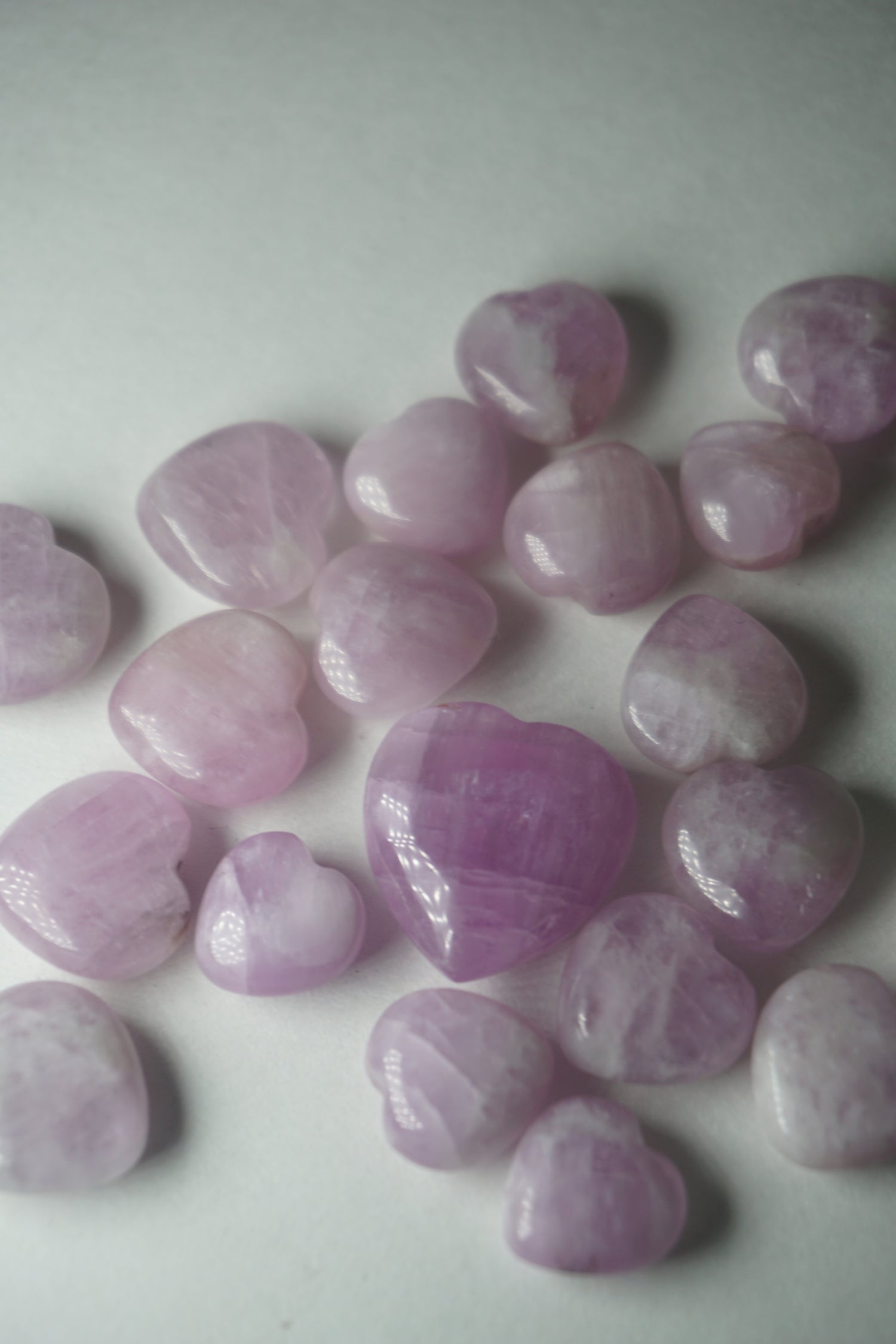


In the quest for holistic well-being and spiritual balance, the chakras, ancient energy centers within our bodies, have played a significant role for centuries. These spinning wheels of energy are intricately connected to our physical, emotional, and spiritual states. In this extensive guide, we will explore the essence of chakras, their correlation with crystals, their individual significance, historical origins, and how they are harnessed in the modern world for healing and self-discovery.
Understanding the Chakras
The word "chakra" originates from the ancient Sanskrit language, meaning "wheel" or "disk." Chakras are often depicted as vibrant, spinning wheels of energy situated along the central axis of the body. There are seven primary chakras, each with its unique characteristics and functions.
1. Root Chakra (Muladhara)
- Location: At the base of the spine.
- Color: Red.
- Correlation with Crystals: Red jasper, hematite.
- Function: Governs feelings of stability, safety, and survival instincts. It's associated with the physical body and grounding.
2. Sacral Chakra (Svadhisthana)
- Location: Below the navel.
- Color: Orange.
- Correlation with Crystals: Carnelian, orange calcite.
- Function: Linked to emotions, creativity, and sexuality. It represents our ability to experience pleasure and nurture ourselves.
3. Solar Plexus Chakra (Manipura)
- Location: In the upper abdomen.
- Color: Yellow.
- Correlation with Crystals: Citrine, yellow jasper.
- Function: Governs self-esteem, confidence, and personal power. It influences our ability to make decisions and assert ourselves.
4. Heart Chakra (Anahata)
- Location: Center of the chest.
- Color: Green.
- Correlation with Crystals: Rose quartz, green aventurine.
- Function: Associated with love, compassion, and emotional healing. It is the bridge between the lower and upper chakras, connecting the physical and spiritual realms.
5. Throat Chakra (Vishuddha)
- Location: In the throat.
- Color: Blue.
- Correlation with Crystals: Sodalite, blue lace agate.
- Function: Related to communication, self-expression, and speaking one's truth. It aids in clear, honest, and compassionate communication.
6. Third Eye Chakra (Ajna)
- Location: Between the eyebrows.
- Color: Indigo.
- Correlation with Crystals: Amethyst, lapis lazuli.
- Function: Linked to intuition, insight, and inner wisdom. It allows us to see beyond the physical world and access higher knowledge.
7. Crown Chakra (Sahasrara)
- Location: At the top of the head.
- Color: Violet or white.
- Correlation with Crystals: Clear quartz, amethyst.
- Function: Connects us to higher states of consciousness, spirituality, and divine wisdom. It represents our connection to the universe.
The Correlation Between Chakras and Crystals
Crystals have unique energies that align with the vibrational frequencies of the chakras. When placed on or near a specific chakra, crystals can enhance, balance, or unblock the energy flow, promoting healing and well-being. Each chakra has corresponding crystals that resonate with its energy, aiding in its harmonization.
The Historical Origins of Chakras
The concept of chakras originates from ancient Indian spiritual traditions, particularly within Hinduism and Buddhism. The earliest references to chakras can be traced back to ancient Indian texts, including the Vedas and Upanishads. These texts describe the chakras as vital energy centers within the subtle body, responsible for physical, mental, and spiritual health.
Chakras in Modern Practice
In contemporary times, chakras have transcended their historical roots and have become a central focus in holistic health and wellness practices. Here's how chakras are used today:
-
Chakra Healing and Balancing: Energy healers, such as Reiki practitioners, use various techniques, including crystals, to balance and cleanse the chakras, promoting physical and emotional well-being.
-
Yoga and Meditation: Yoga poses and meditation practices are designed to align and activate the chakras. Yogic breathing exercises, or pranayama, are particularly effective in channeling energy through the chakras.
-
Aromatherapy: Essential oils and aromatherapy are often used to stimulate and balance the chakras. Specific scents are associated with each chakra and can be used in diffusers or applied topically.
-
Sound Healing: Sound vibrations, such as those produced by singing bowls, tuning forks, or chanting, can resonate with the chakras, facilitating alignment and healing.
-
Crystal Therapy: Crystals, with their unique energies, are powerful tools in chakra work. Placing specific crystals on or near the chakras during meditation or energy healing sessions can facilitate chakra balancing and alignment.
Conclusion
Understanding and working with the chakras is a profound journey of self-discovery and healing. By exploring these energy centers and their correlation with crystals, you can enhance your physical, emotional, and spiritual well-being. Whether you're a seasoned practitioner or just beginning your exploration of chakras, the wisdom and insights they offer are invaluable on the path to holistic harmony and self-realization.